Winning Mindset for Online Gaming
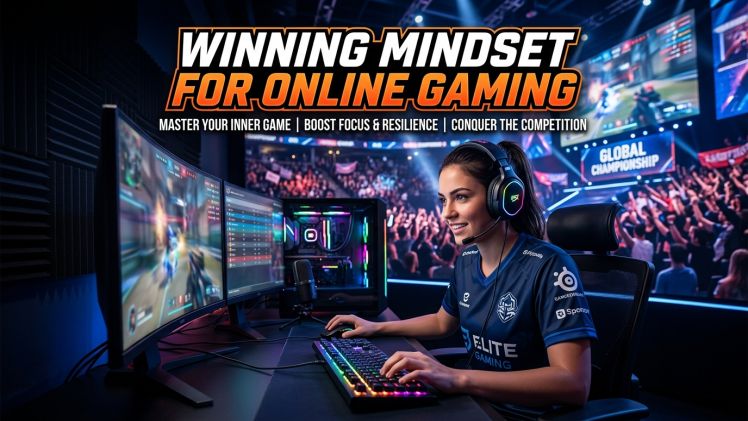
Online gaming isn’t just about fast reactions; it also depends on how players think in every match. A mindset helps gamers stay calm, learn from mistakes, manage pressure, and make decisions when situations become difficult. Whether playing casually or competing seriously, developing the right mental habits can make gaming more enjoyable and productive, especially when platforms such as agb99 are part of a player’s routine.
Stay Calm Under Pressure
Pressure can quickly affect performance. When a match becomes intense, players may rush decisions, lose concentration, or become frustrated after a mistake. Staying calm allows the brain to process information more effectively. Take a breath, focus on the immediate objective, and avoid worrying about the final result too early. A calm player can recognize opportunities that an emotional player might overlook.
Focus on Improvement
A winning mindset does not mean expecting to win every game. Instead, treat each match as an opportunity to improve. After a loss, consider what went wrong. Did positioning create problems? Was timing poor? Did you react too quickly? Asking useful questions turns disappointment into practical feedback. Over time, small adjustments can produce significant performance improvements.
Avoid Tilt
Tilt is one of the biggest obstacles to consistent gaming. It happens when frustration begins controlling decisions. Losing several matches in a row can create anger, impatience, and careless behavior. The best response is often to pause rather than continue playing emotionally. Stretching, drinking water, or taking a short break can help reset your focus. Returning with a clear mind is usually more valuable than forcing another match.
Set Realistic Goals
Clear goals give gaming sessions purpose. Instead of simply trying to win, choose measurable objectives you can improve. A player might focus on reducing mistakes, improving accuracy, learning a strategy, or communicating more effectively with teammates. Realistic goals create progress that can be noticed even when the scoreboard does not go in your favour.
Build Consistency
Skill develops through consistent practice, not occasional marathon sessions. Regular gaming with focused practice helps players develop reliable habits. Spend time identifying weaknesses and practising them deliberately. For example, someone struggling with aiming can practice precision exercises, while a player having difficulty with decisions can review previous matches. Consistency makes improvement easier to track and maintain.
Manage Expectations
Unrealistic expectations can damage confidence. No player performs perfectly every session, and even skilled competitors experience losing streaks. Accepting this reality reduces frustration. Measure progress against your previous performance instead of comparing every result with someone else’s achievements. Confidence grows when players recognize improvement while understanding that setbacks are a normal part of learning.
Communicate Effectively
In team-based games, mindset also affects communication. Blaming teammates rarely improves performance. Clear, respectful communication can strengthen cooperation and help teams respond quickly to changing circumstances. Give useful information, listen to teammates, and keep criticism constructive. A positive attitude can influence the entire group, making coordinated play more effective and reducing unnecessary conflict.
Protect Your Balance
Gaming should fit into a healthy daily routine. Adequate sleep, regular movement, hydration, and breaks can support concentration and reaction speed. Long sessions without rest can lead to fatigue and poorer decision-making. Setting reasonable limits helps maintain enjoyment while preventing gaming from interfering with responsibilities. A balanced player is more likely to approach matches with energy and patience.
Turn Losses Into Lessons
Every defeat contains information. Instead of labelling a loss as failure, identify one or two specific lessons to carry into the next session. Perhaps an opponent exploited predictable movement, or a team failed to protect an important area. Reviewing these lessons creates a personal library of strategies and mistakes to avoid.
Conclusion
A winning mindset is built through patience, discipline, self-awareness, and continuous learning. Staying calm, setting realistic goals, avoiding tilt, communicating well, and maintaining balance can improve both performance and enjoyment. The strongest players understand that success is not simply a result on the screen; it is the ability to make thoughtful decisions, recover from setbacks, and keep developing after every match. With the right mental approach, online gaming becomes an ongoing journey of skill, confidence, and progress.